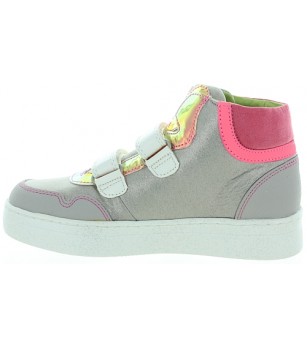
Bow legs, also known as genu varum or knocked knees in kids, occur when a child's legs bow outward at the knees while standing with their feet together and ankles touching. This is common in infants and toddlers due to cramped positions in the womb. Typically, as children grow and bear weight on their legs, the condition can improve naturally by age 3-4, especially with special shoes for bow legs. Persistent or severe bow legs may result from rickets, Blount’s disease, skeletal dysplasia, or genetics. Consultation with a pediatrician or orthopedic specialist is recommended when necessary. For most children under age 2, bowed legs are a normal variation that typically improves on its own by age 3 or 4. When underlying condition that affects the growth plate of the shin bone, causing abnormal growth and creating a space between the knees. Possible bone disease caused by deficiency in vitamin D, calcium, or phosphorus, leading to softening and malformation of bones. Finally, less common causes include genetic factors, injury, infection, tumors, or lead/fluoride poisoning.
Treatment options are European orthopedic shoes with reinforced heel and ankle support. If Blount's disease, a special brace (knee-ankle-foot orthosis) may be used to correct alignment, sometimes worn up to 23 hours a day. Physical therapy or strengthening exercises help improve muscle development in the hips, which aids in proper leg alignment. In severe cases not improving with other treatments may require surgery to correct the deformity. If nutritional deficiences is the cause, correcting deficiencies through diet, supplements, or sun exposure is crucial.
Orthopedic Shoes for Bow Legs
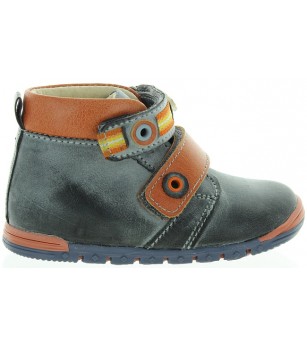
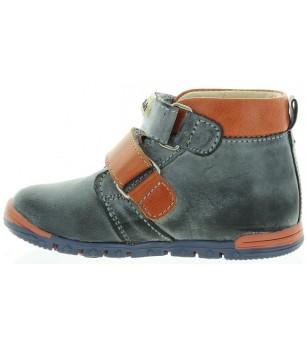
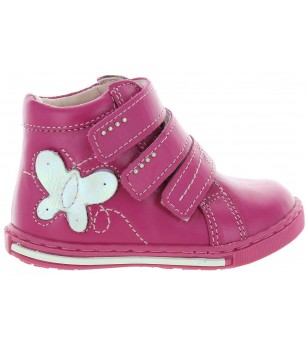
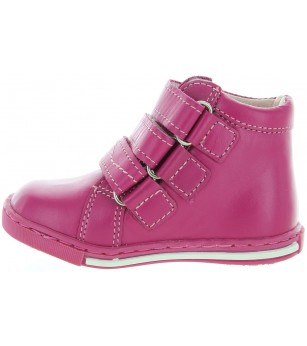
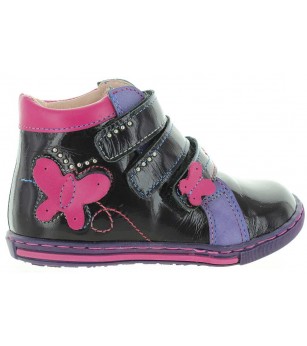
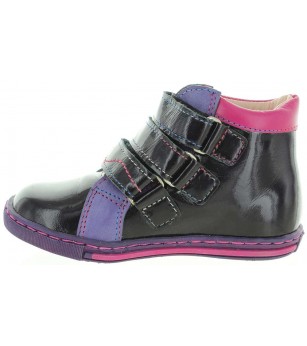
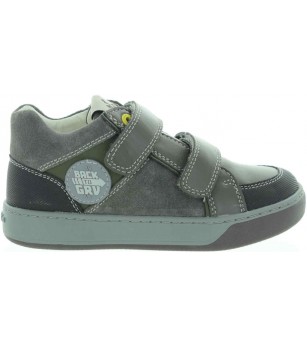
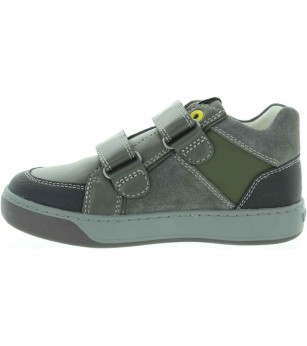
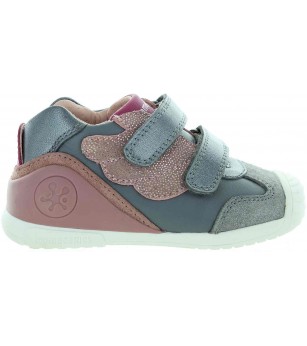
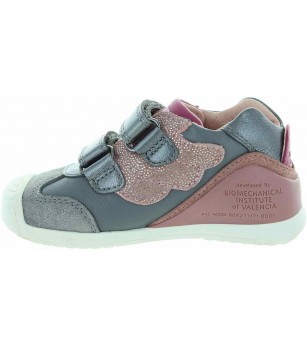
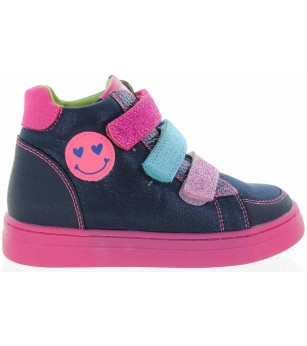
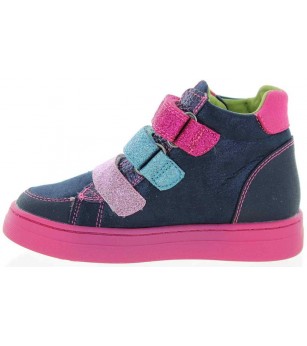
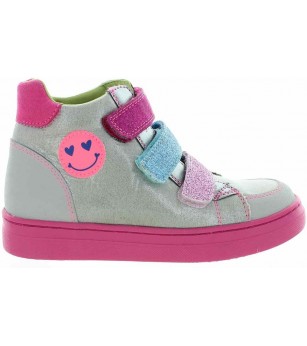
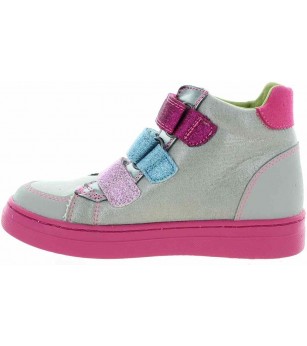
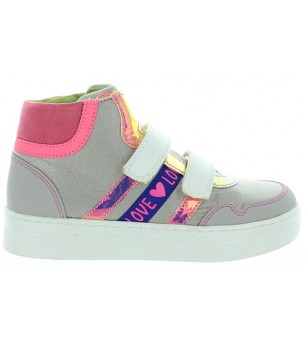
Buy quality shoes to correct bow legs in babies with stable, reinforced heels and proper orthopedic arch support. Consider kids shoes with good arch support for knocked knees. Even if toddlers’ arches are not fully developed, proper support promotes healthy foot development and alignment. We offer shoes for bow-legged toddlers, boots, and tall sturdy ankle sandals. Proper knocked knees toddler shoes provide stability, alignment, and reduce strain on the knees. European shoes with firm soles and cushioning are especially beneficial. Children with bow legs often have wide and high instep feet. Best walking shoes for bow legs should accommodate this for optimal foot, knee, and posture support. Antibacterial insoles prevent sweat buildup, even if worn barefoot. Shoes to straighten baby legs must fit properly. Shoes that are too tight or loose affect gait and posture. Measure your child's feet regularly and choose shoes that accommodate their growth. European orthopedic shoes help form feet correctly, while low-quality sneakers may deform them. Choose shoes that allow natural foot movement. Flexible soles and uppers promote comfort and proper alignment. Leave about a thumb's width of space at the toe to allow for growth. When children wear shoes to help with bow legs in kids consistently, ankles align, knees straighten, and feet develop properly. Proper orthopedic shoes act as therapy, supporting foot alignment over time. This approach is widely used in pediatric footwear design in Europe. Shoes alone aren’t enough—monitor overall development and consult healthcare professionals if needed. Investing in high-quality European orthopedic shoes ensures proper foot alignment, knee positioning, and healthy posture for growing children.